

Hotel Website Development in 2026: Essential Features for Direct Bookings
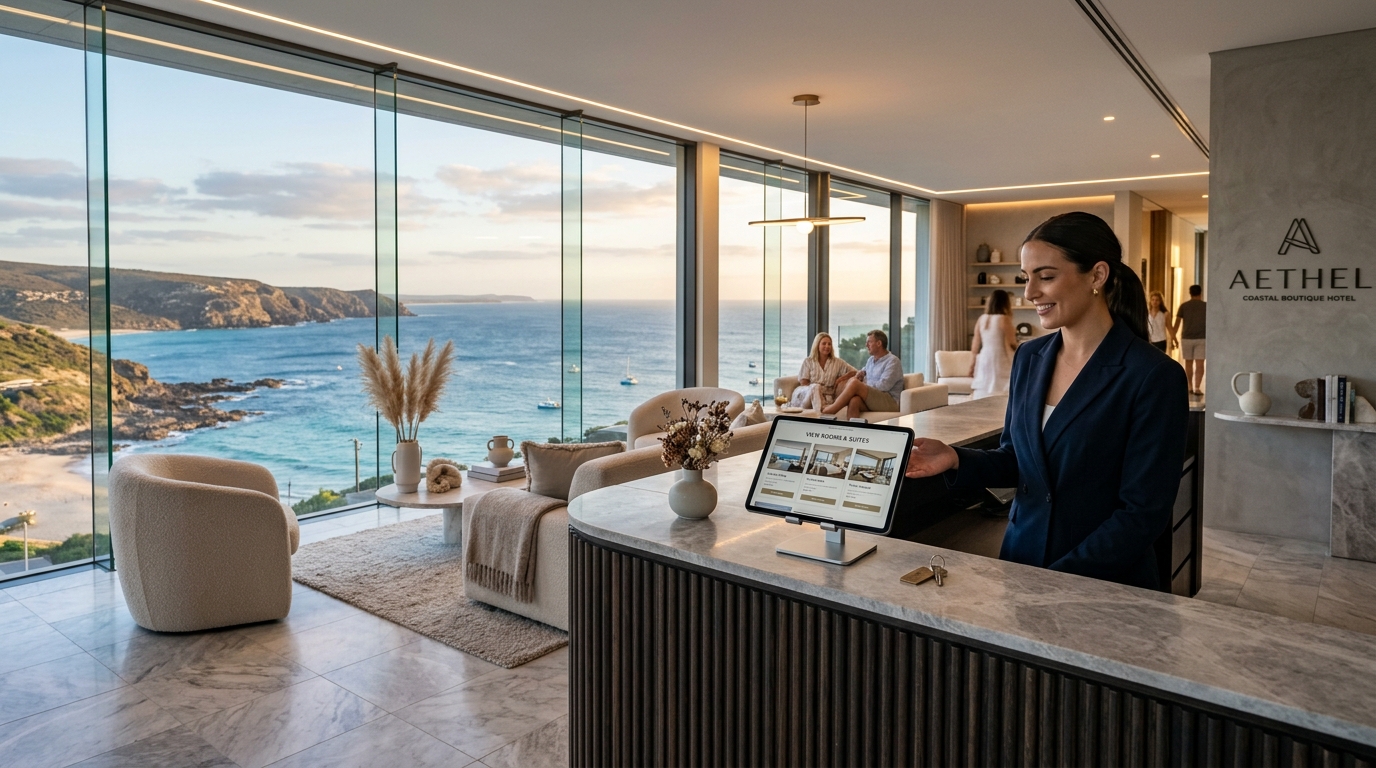
The Shifting Landscape of Digital Hospitality in 2026
The hospitality sector in 2026 demands far more from a hotel website than static imagery and simple contact forms. Modern travelers expect instant booking confirmation, dynamic pricing, immersive visuals, and hyper-personalized digital service before they ever set foot in a lobby. For boutique hotels, luxury resorts, and international hotel chains, direct online bookings are the primary driver of profitability, reducing reliance on third-party online travel agencies (OTAs).
To capture modern travelers, investing in specialized tailored website creation is essential. Today's hotel platforms must combine high-speed technical performance with seamless backend integrations to deliver a frictionless user journey from discovery to checkout.
1. Frictionless Direct Booking Engine Integration
A direct booking engine should feel like an organic extension of the website rather than an external redirect. In 2026, guests expect real-time availability, clear room tier comparisons, and instant add-on customizations such as airport transfers, spa treatments, or late check-outs during the booking flow.
- Property Management System (PMS) Sync: Real-time bi-directional synchronization prevents double bookings and updates room availability instantly across all digital channels.
- Dynamic Pricing Displays: Automated adjustments based on seasonality, occupancy, and guest loyalty tiers ensure maximum revenue yield per available room (RevPAR).
- One-Click Checkout: Support for modern digital wallets, local payment methods, and instant validation reduces cart abandonment significantly.
2. Mobile-First Experience and Intuitive UI/UX
With over two-thirds of travel research and bookings now taking place on mobile devices, responsive design is no longer sufficient; hotel websites must be architected mobile-first. Prioritizing fast navigation, touch-friendly date pickers, and clear call-to-action buttons is prioritized through intuitive UI/UX design tailored specifically to travelers on the go.
Key user experience elements for 2026 include streamlined navigation menus, sticky booking bars, and instant access to room features, dining menus, and local area highlights without overwhelming the visitor.
3. High-Speed Visual Media and Immersive Previews
Visual storytelling remains the single most impactful factor in hotel decision-making. High-resolution galleries, 360-degree virtual tours, and short-form ambient video backgrounds allow guests to experience the atmosphere of the hotel before booking. However, rich visual content must not compromise speed.
Through custom advanced web development, visual assets are delivered via next-generation formats, lazy loading, and intelligent edge caching. The result is instant page load times that keep potential guests engaged and reduce bounce rates.
4. Smart Multi-Language Localization and Cloud Scalability
Hospitality is inherently global. A competitive hotel website in 2026 automatically tailors currency, language, and promotional offers based on the visitor's geographic location. Providing local payment gateways and natural-sounding translations fosters trust and speeds up booking decisions.
To maintain flawless performance during seasonal peak booking periods, websites must be backed by scalable reliable hosting packages and cloud distribution networks. Cloud infrastructure guarantees uninterrupted availability, even during major promotional campaigns or high-traffic international holiday seasons.
5. Payment Security and Data Privacy Compliance
Handling sensitive personal data, passport details, and credit card payments requires strict adherence to international security standards. Modern hotel web architecture must incorporate integrated robust cybersecurity measures, including PCI-DSS compliance, SSL/TLS encryption, and proactive threat monitoring to protect guest privacy and mitigate cyber threats.
Conclusion: Upgrading Your Hotel's Digital Presence
In 2026, a hotel website serves as your primary digital front desk and direct sales engine. By integrating efficient booking engines, fast mobile experiences, local payment options, and strong security measures, hotels can build strong guest relationships while maximizing direct revenue.



 English
  phone
phone
 Whatsapp
 Quote
Quote